Consumer protection is a core part of modern life. When you buy products or services, you expect fair treatment. But sometimes, companies break the rules or ignore your rights. In these moments, finding the best legal services for consumer protection claims can make the difference between frustration and justice. This guide will help you understand your options, how legal services work for consumer claims, and what to look for when choosing help. Whether you face a faulty product, misleading advertising, or unfair billing, knowing where to turn is crucial.
What Are Consumer Protection Claims?
Consumer protection claims happen when a buyer feels cheated or harmed by a seller, business, or service provider. Common situations include defective goods, hidden fees, false advertising, and poor customer service. US law gives buyers rights, but enforcing those rights often needs legal help.
Many people don’t know their full rights or how to start a claim. Legal services for consumer protection can guide you, file complaints, negotiate settlements, or even go to court.
Types Of Legal Services For Consumer Protection
Different situations need different kinds of legal support. Here are the main types you might use:
- Legal Aid Societies: Nonprofit groups that help low-income consumers with free or low-cost advice.
- Private Law Firms: Attorneys specializing in consumer law. They may charge hourly or offer contingency fees (you pay only if you win).
- Online Legal Platforms: Websites that connect you with lawyers, offer document templates, or provide virtual consultations.
- Government Agencies: Offices like the Federal Trade Commission (FTC) or state attorney generals that investigate complaints and take action against companies.
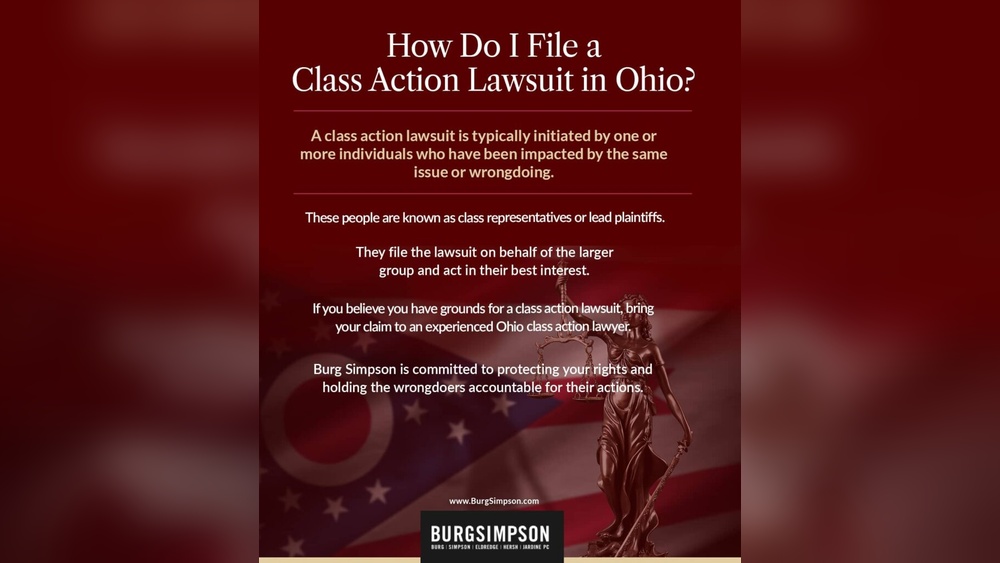
- Class Action Specialists: Firms that organize group lawsuits when many consumers are affected by the same problem.
Each type has strengths. For example, legal aid is great for basic issues and those who can’t afford a lawyer. Private law firms handle complex cases or big claims. Online platforms are fast and convenient for simple disputes. Government agencies enforce laws and sometimes get refunds for consumers.
Class action specialists help when hundreds or thousands of people are harmed.
Comparing Legal Service Providers
Choosing the right legal service is important. Price, expertise, and speed all matter. Here’s a comparison of common options for consumer protection claims:
| Service Type | Cost | Response Time | Expertise Level |
|---|---|---|---|
| Legal Aid Society | Free/Low-cost | 1-3 weeks | Basic to Moderate |
| Private Law Firm | $150–$400/hour or contingency | 2–5 days | High |
| Online Legal Platform | $40–$300 per case | Same day–3 days | Basic to Moderate |
| Government Agency | Free | 2–6 weeks | High (enforcement) |
| Class Action Specialist | Contingency | Months–Years | High (group claims) |
Many beginners miss that cost is not always the most important factor. Sometimes, free help is enough for simple cases, but complex claims need expert lawyers. Another common mistake is thinking agencies can handle everything. They investigate and enforce laws, but often cannot represent you personally in court.
Top Legal Services For Consumer Protection Claims
When you need help, some names stand out. Here are the best legal services in the US for consumer protection:
- Legal Aid Society
- Helps low-income individuals.
- Offers free advice and help filing claims.
- Can guide you to local resources.
- Consumer Law Group
- Specializes in consumer rights and fraud cases.
- Handles lawsuits, negotiations, and settlements.
- Public Citizen Litigation Group
- Known for high-profile consumer cases.
- Offers expert help for serious claims.
- LegalZoom
- Popular online platform.
- Provides legal documents and connects you with lawyers.
- Federal Trade Commission (FTC)
- Investigates scams and unfair practices.
- Offers complaint forms and public enforcement.
- Better Business Bureau (BBB)
- Helps resolve disputes with businesses.
- Offers mediation and complaint resolution.
- National Consumer Law Center (NCLC)
- Provides research and advocacy.
- Supports consumers with educational resources.
- Avvo
- Online lawyer directory.
- Lets you search for consumer protection experts near you.
- State Attorney General Offices
- Each state has a consumer protection division.
- Can mediate, investigate, or sue companies.
- Class Action Law Firms
- Example: Hagens Berman, Robbins Geller.
- Handle cases where many people are harmed by the same business.
- Rocket Lawyer
- Another online legal platform.
- Offers document templates and lawyer consultations.
- LegalShield
- Membership-based legal help.
- Monthly fee covers advice and basic services.
- Consumer Financial Protection Bureau (CFPB)
- Handles banking, loans, and credit complaints.
- Can investigate and enforce laws.
- FindLaw
- Online resource for legal information.
- Directory of consumer lawyers.
- Neighborhood Legal Clinics
- Local clinics for in-person help.
- Often run by nonprofits or law schools.
These providers cover almost every type of consumer claim, from small disputes to major lawsuits. For example, Legal Aid Society is perfect for basic claims and those who can’t afford a lawyer. Consumer Law Group and Public Citizen are best for serious legal fights. LegalZoom, Rocket Lawyer, and Avvo are fast and affordable for simple cases. FTC, BBB, and State Attorney General are good for reporting scams and getting public enforcement. Class Action Law Firms help when many people face the same problem, like defective products or widespread fraud.

Credit: bardolawpc.com
How Legal Services Handle Consumer Protection Claims
Understanding the process helps you get the best results. Legal services usually follow these steps:
- Initial Consultation: You explain your problem. The lawyer or service checks if you have a valid claim.
- Evidence Gathering: Collect receipts, emails, contracts, or photos to support your case.
- Complaint Filing: The service files a formal complaint with the business, agency, or court.
- Negotiation: Many disputes settle through negotiation. Lawyers or mediators try to reach a fair deal.
- Litigation: If negotiation fails, your lawyer may file a lawsuit.
- Resolution: You may get a refund, compensation, or another solution.
Not all claims go to court. In fact, most are resolved through negotiation or mediation. It’s important to know that legal services often work faster when you have clear evidence and a simple claim. Complex cases with many victims can take months or years.
Key Factors When Choosing Legal Services
Your choice matters. Here are the main things to consider:
- Experience in Consumer Law: Not all lawyers specialize in consumer protection. Look for proven expertise.
- Cost Structure: Some services are free; others charge hourly, per case, or by contingency. Choose what fits your budget and risk level.
- Success Rate: Ask about their track record. Have they won similar cases?
- Communication: You need clear updates and easy contact.
- Speed: Some services take weeks to reply. Others act within days.
- Reputation: Check online reviews, ratings, and complaints.
Many beginners focus only on cost, missing the importance of experience and success rate. It’s a common mistake to pick the cheapest option, only to realize later that poor advice costs more in the end.
Credit: digitalgovernmenthub.org
Typical Costs And Fees For Consumer Protection Legal Help
Legal fees can be confusing. Here’s a breakdown of typical costs:
| Service | Fee Type | Cost Range | Notes |
|---|---|---|---|
| Legal Aid Society | None/Low | $0–$50 | For qualifying clients |
| Private Law Firm | Hourly/Contingency | $150–$400/hour or 20–40% of winnings | Complex cases |
| Online Platform | Flat fee | $40–$300/case | Simple claims |
| Class Action Firm | Contingency | 30–40% of settlement | Group lawsuits |
Contingency means you pay only if you win. This is helpful for people who can’t afford upfront fees. But, the lawyer takes a percentage of any money you get.
Real-world Example: Consumer Protection Claim Success
A good example is the Equifax data breach class action. Millions of Americans’ personal data was exposed. Class action firms organized a lawsuit, helping consumers get compensation. Many individuals joined the suit online and received payouts without hiring their own lawyer. This shows how group claims can be powerful and cost-effective.
Another example: A family buys a defective washing machine. After failed attempts to get a refund from the retailer, they contact their state’s Attorney General. The office mediates, and the family gets a replacement. This shows the value of government agencies in resolving disputes quickly.
Common Mistakes When Using Legal Services
Even smart consumers make mistakes. Here are some to avoid:
- Waiting Too Long: Claims often have deadlines. Delaying can mean losing your rights.
- Missing Evidence: Without receipts, contracts, or emails, your case may fail.
- Picking the Wrong Service: Not all lawyers know consumer law. Choose specialists.
- Ignoring Reviews: Bad reviews signal trouble. Always check feedback.
- Failing to Communicate: If you don’t respond to questions or requests, your claim slows down.
Many beginners think any lawyer can handle consumer claims. But consumer law is unique. Specialists know how to push companies and get results.
Tips For Preparing Your Claim
To get the best outcome, prepare well:
- Collect all documents: Receipts, contracts, emails, photos.
- Write a clear timeline: What happened, when, and who was involved.
- Keep a record of communications: Emails, calls, letters.
- List damages: What you lost, expenses, emotional distress.
- Check deadlines: Most claims have a statute of limitations.
Having organized evidence speeds up your case and improves your chances.

Credit: www.kazlg.com
Frequently Asked Questions
What Is A Consumer Protection Claim?
A consumer protection claim is when you ask for legal help because a business treated you unfairly, broke the law, or failed to deliver a product or service as promised.
How Long Does It Take To Resolve A Consumer Claim?
Simple disputes might resolve in a few days or weeks. Complex cases, especially class actions, can take months or even years.
Do I Always Need A Lawyer For Consumer Protection Claims?
No. Some cases can be resolved by contacting the business or using government agencies. Lawyers are most helpful for serious disputes or when negotiations fail.
What Evidence Should I Collect For My Claim?
Gather receipts, contracts, emails, photos, and any communication with the business. The more proof you have, the stronger your case.
Can I Join A Class Action Lawsuit?
Yes, if many people have the same problem. Class action law firms often announce open cases online. You can join by filling out a form, sometimes without paying upfront fees.
Finding the right legal service is easier when you know your options and prepare well. Start with clear evidence, choose a provider with consumer law experience, and act quickly. Most consumer claims can be resolved without going to court, but legal experts are key when companies refuse to cooperate. If you want more details about consumer laws and agencies, you can check the Federal Trade Commission for official guidance.
Consumer protection is your right. With the right legal help, you can turn frustration into fair results. Take action, stay informed, and demand the quality and honesty you deserve.
Read More:
- Best Legal Services for Prenuptial Agreements: Secure Your Future
- Best Legal Services for Business Disputes and Arbitration Explained
- How Legal Services Improve Business Security: Protect Your Assets
- Legal Services Every Real Estate Investor Needs to Succeed
- Legal Services for International Business Expansion: Your Success Guide
- Legal Services for Cryptocurrency and Blockchain Businesses: Expert Guide
- How to Market Legal Services Successfully Online: Proven Strategies
- How Legal Services Help Prevent Financial Fraud Effectively